
Understanding the Role of a Neighborhood Association in Des Moines
Introduction to Neighborhood Associations
Neighborhood associations play a crucial role in fostering community spirit and improving the quality of life in urban areas. In Des Moines, these associations are vital in bringing residents together to address common concerns and promote local interests. Understanding the function and impact of these groups can help residents engage more effectively and contribute to their community's growth.

The Structure of a Neighborhood Association
A neighborhood association typically consists of residents and property owners within a defined area. These groups are usually led by a board of volunteers who organize meetings, plan events, and manage communications. The structure may vary, but the goal remains the same: to create a cohesive community that works together for the common good.
Meetings are often held monthly or quarterly, providing a platform for members to discuss issues and collaborate on solutions. This structure ensures that everyone has a voice and can contribute to neighborhood decisions.
Key Responsibilities
One of the primary responsibilities of a neighborhood association is to serve as a liaison between residents and local government. This includes advocating for improvements, such as better infrastructure, safety measures, and community services. Associations also play a role in organizing events that promote community engagement and connectivity.
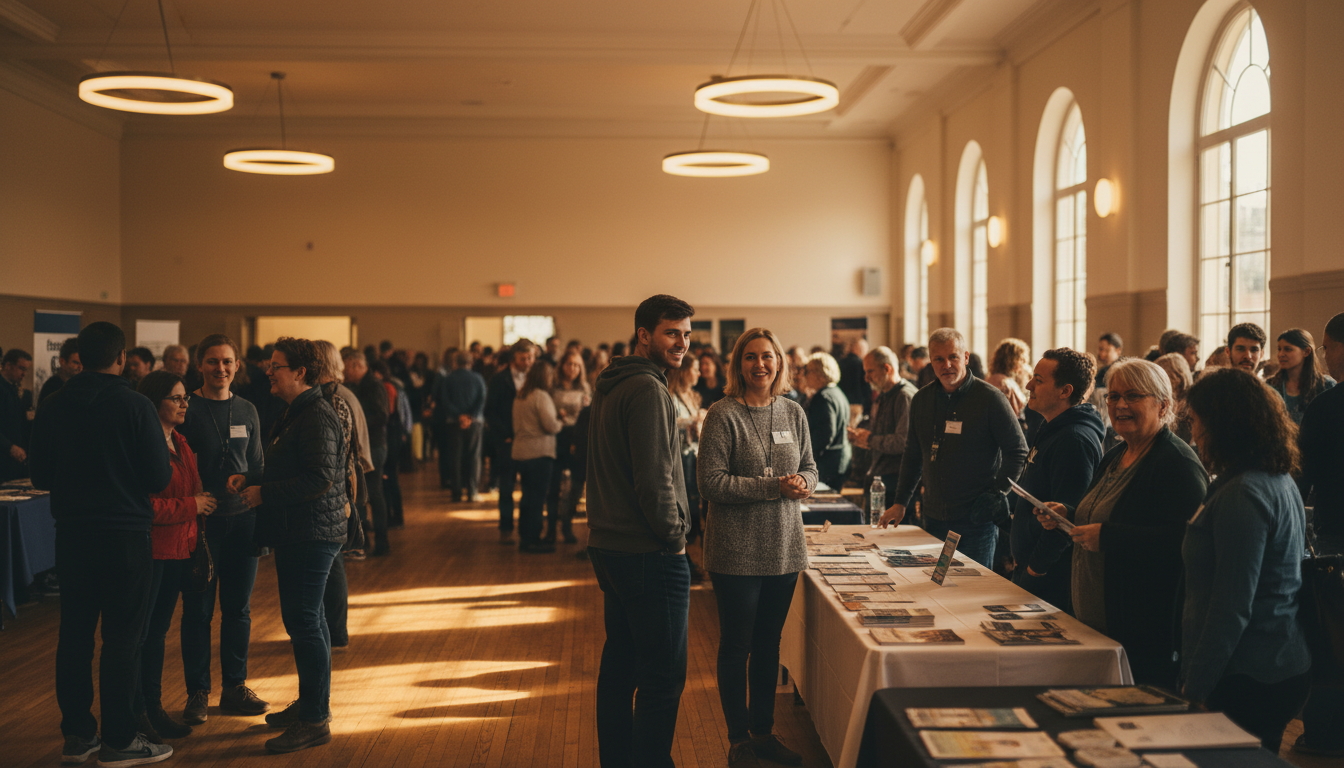
Furthermore, they often manage neighborhood projects, such as beautification efforts, neighborhood watch programs, and local newsletters. By tackling these tasks, associations help maintain and enhance the neighborhood’s appeal and functionality.
Benefits of Participation
Being an active member of a neighborhood association offers numerous benefits. It provides an opportunity to influence local decision-making and ensure that your voice is heard. Active participation can also lead to stronger community ties and friendships as residents work together towards common goals.
Moreover, involvement in these groups can increase awareness of local issues and solutions, empowering residents to become informed and proactive members of their community.

How to Get Involved
Getting involved with your local neighborhood association in Des Moines is straightforward. Start by attending meetings to understand the group’s initiatives and challenges. Volunteering for committees or projects is another excellent way to contribute your skills and knowledge.
- Attend regular meetings.
- Volunteer for committees or events.
- Engage with communication channels like newsletters or social media.
By taking these steps, you can play an active role in shaping your neighborhood’s future.
Conclusion
Neighborhood associations are instrumental in creating vibrant, resilient communities in Des Moines. By understanding and participating in these groups, residents can ensure that their neighborhood remains a desirable place to live. Engaging in the association not only benefits individual residents but also strengthens the community as a whole, fostering a spirit of cooperation and progress.