
The Impact of Seasonal Weather on Des Moines Neighborhoods
Understanding Des Moines' Seasonal Shifts
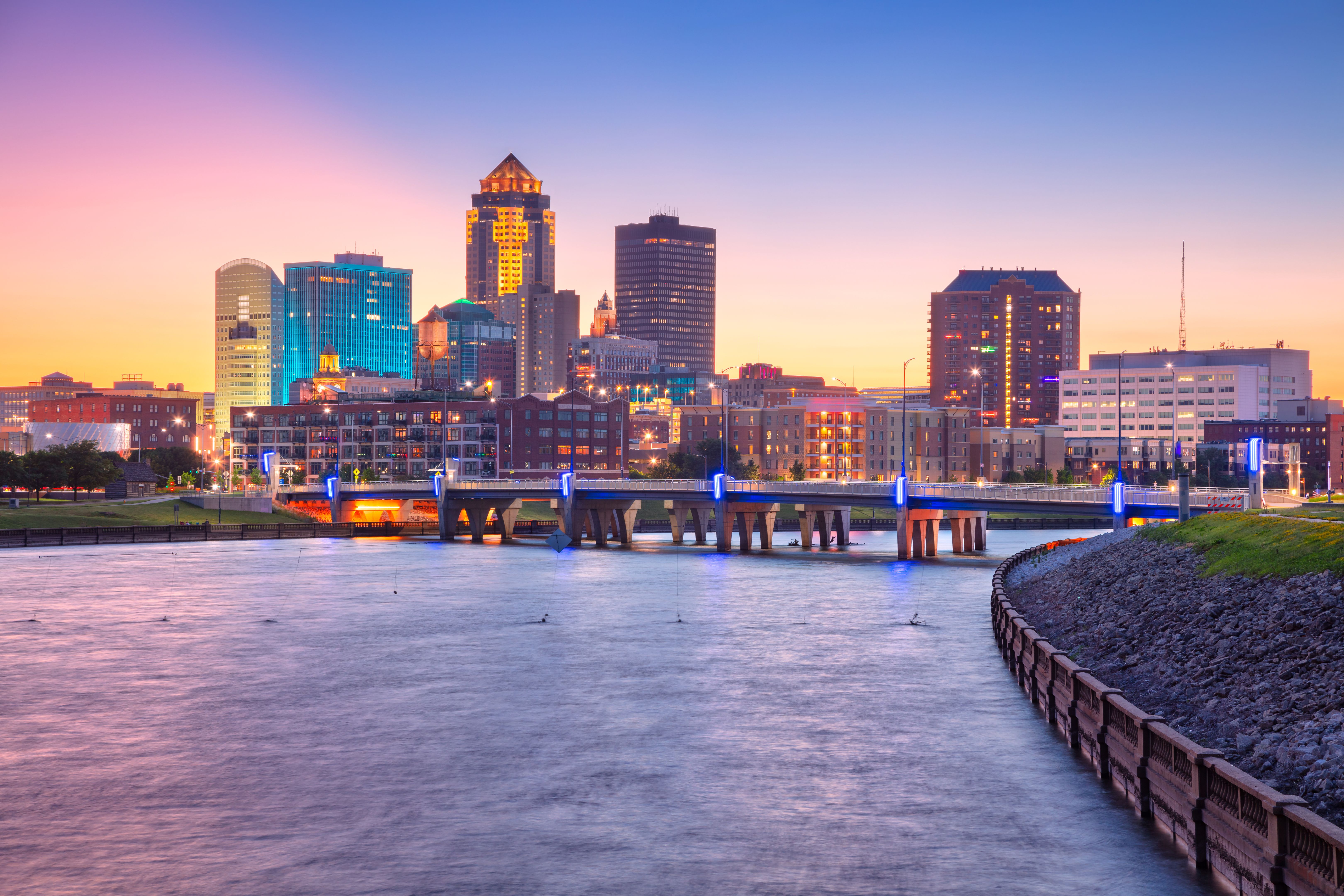
Des Moines, the vibrant capital city of Iowa, experiences a diverse range of weather conditions throughout the year. These shifts have a profound impact on the city's neighborhoods, influencing everything from daily activities to long-term planning. Understanding these changes can help residents prepare and adapt more effectively.
The city's climate is characterized by hot, humid summers and cold, snowy winters, with spring and autumn providing a more moderate transition. Each season offers its unique set of challenges and opportunities, affecting the way communities function and interact.
Winter's Influence on Daily Life
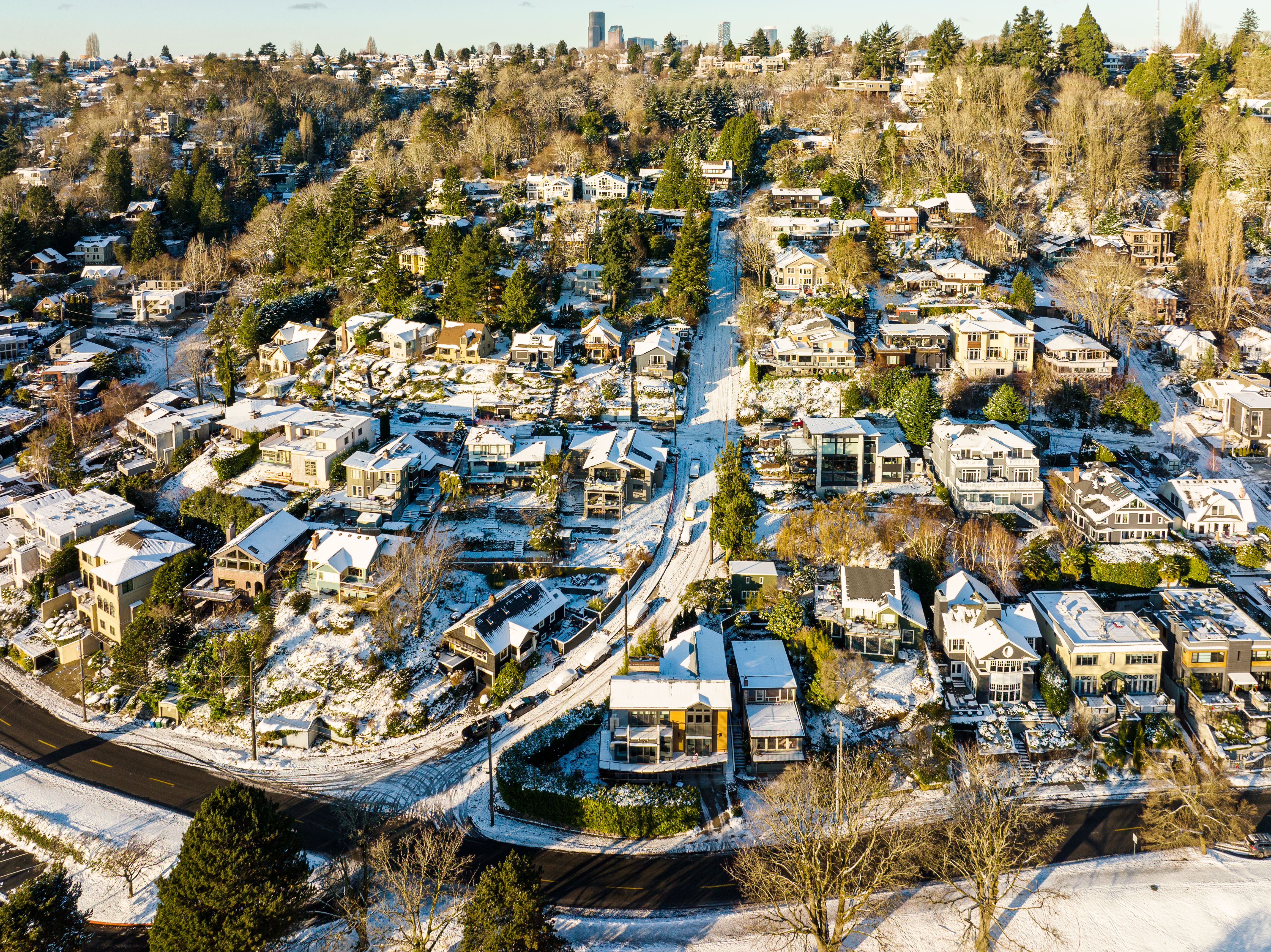
Winter in Des Moines can be harsh, with temperatures often dropping below freezing. The heavy snowfall and icy conditions can lead to disruptions in daily life. Schools may close, and commuting can become a challenge, affecting both personal and professional schedules.
Neighborhoods often come together to tackle these challenges. Community efforts to clear snow from sidewalks and driveways are common, fostering a spirit of cooperation. Additionally, local businesses may experience a shift in demand, with increased interest in winter gear and home heating solutions.
Preparing for Spring Flooding
As winter gives way to spring, the melting snow can lead to flooding, a significant concern for many Des Moines neighborhoods. Flooding can damage homes and infrastructure, requiring residents to take proactive measures to protect their properties.
Homeowners often invest in flood insurance and implement preventative measures such as sandbagging and installing sump pumps. City authorities may also undertake initiatives to improve drainage systems and provide residents with resources to manage potential flooding.
The Vibrancy of Summer
Summer brings warmth and vitality to Des Moines neighborhoods, encouraging outdoor activities and community gatherings. However, the heat and humidity can also pose health risks, particularly for vulnerable populations such as the elderly and young children.
Residents often adapt by organizing events at local parks and recreational areas, taking advantage of the warm weather to strengthen community bonds. Meanwhile, public health campaigns emphasize the importance of staying hydrated and protecting against heat-related illnesses.

Autumn's Calm Transition
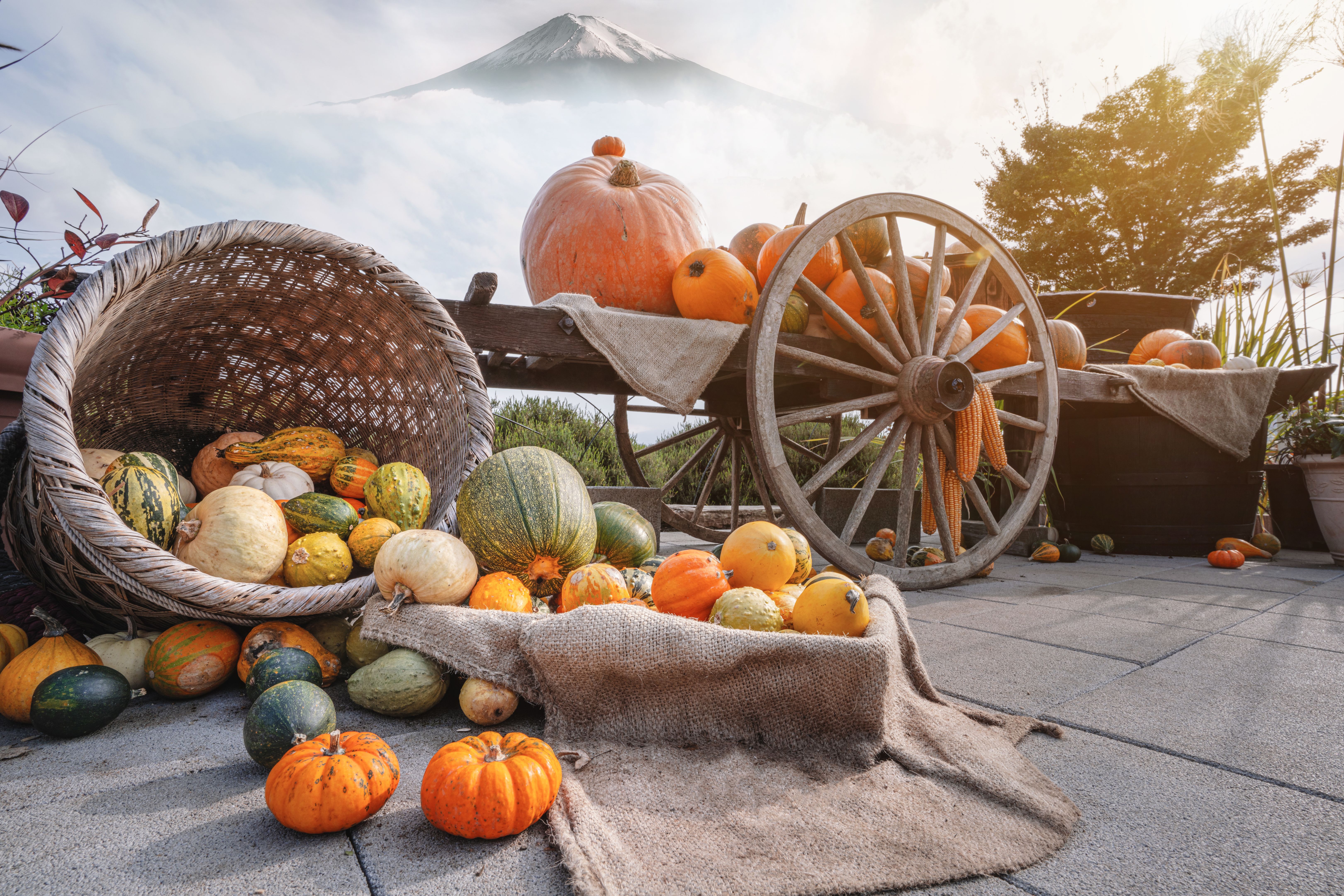
Autumn in Des Moines offers a welcome reprieve from the extremes of summer and winter. The cooler temperatures and vibrant foliage create an ideal environment for outdoor activities and neighborhood festivals.
Residents enjoy autumnal events such as farmers' markets and harvest festivals, which celebrate the season's bounty. This period also provides an opportunity for neighborhoods to prepare for the upcoming winter, ensuring homes and community spaces are ready for colder weather.
Adapting to Changing Conditions
As climate patterns continue to evolve, Des Moines neighborhoods must remain adaptable to changing weather conditions. Community resilience is key, with residents and local authorities working together to implement sustainable practices and infrastructure improvements.
By understanding the impact of seasonal weather, Des Moines can continue to thrive, ensuring that its neighborhoods remain vibrant and resilient year-round. Emphasizing cooperation and proactive planning will help the community face any weather-related challenges that come its way.