The Benefits of Neighborhood Associations in Des Moines: A Local Perspective
Understanding Neighborhood Associations
Neighborhood associations play a crucial role in enhancing the quality of life within communities. In Des Moines, these grassroots organizations are essential for fostering a sense of belonging and collaboration among residents. By focusing on local issues and opportunities, they help create vibrant and resilient communities.
These associations are typically volunteer-driven and serve as a bridge between residents and local government. They provide a platform for neighbors to voice their concerns, share ideas, and work together on community projects. This collaborative spirit is vital for building strong, connected neighborhoods.
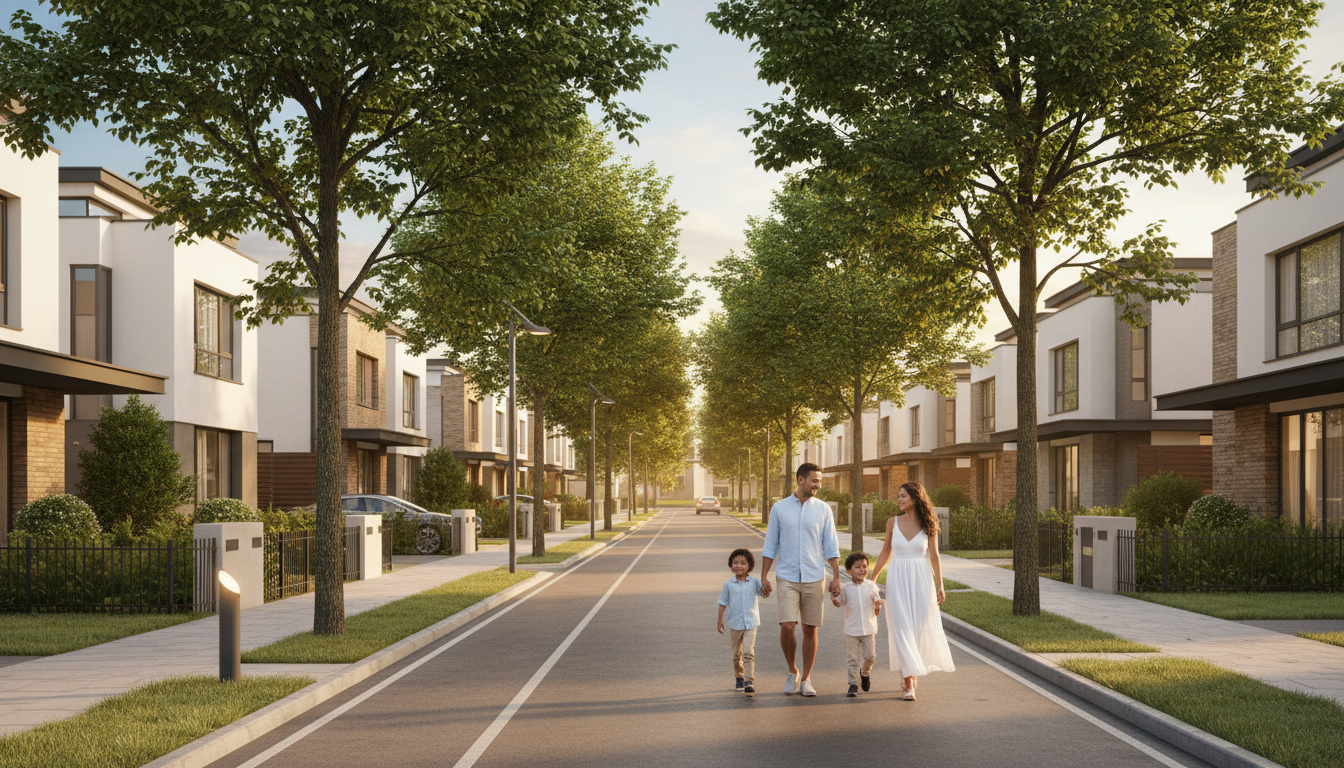
Fostering Community Engagement
Building Stronger Connections
One of the primary benefits of neighborhood associations is their ability to foster community engagement. By organizing events such as block parties, clean-up days, and local festivals, they encourage residents to interact and build lasting relationships. This sense of community not only enhances social cohesion but also contributes to a safer and more welcoming environment.
Empowering Residents
Neighborhood associations empower residents by giving them a voice in local decision-making. Through regular meetings and open forums, residents can express their opinions on various issues, from zoning changes to public safety concerns. This empowerment ensures that the community's needs and preferences are considered in local governance.

Enhancing Local Amenities
Improving Public Spaces
Another significant advantage of neighborhood associations is their role in enhancing local amenities. Many associations collaborate with the city to improve parks, playgrounds, and other public spaces. These efforts not only beautify the area but also increase property values and attract new residents.
Supporting Local Businesses
Neighborhood associations often support local businesses by promoting shopping locally and organizing events that drive foot traffic to commercial areas. By fostering a thriving local economy, they help ensure the community remains vibrant and economically sustainable.

Promoting Safety and Security
Neighborhood associations contribute to safety and security by organizing neighborhood watch programs and collaborating with local law enforcement. These initiatives help reduce crime rates and create a safer environment for families. The collective vigilance of residents often deters potential criminal activity.
Moreover, by keeping open lines of communication with local authorities, neighborhood associations can quickly address any safety concerns, ensuring that residents feel secure in their community.
Conclusion
In Des Moines, neighborhood associations are invaluable assets that enhance community life in numerous ways. By fostering engagement, improving amenities, and promoting safety, they play a critical role in creating thriving neighborhoods. As they continue to grow and evolve, these associations will undoubtedly contribute to the long-term success and sustainability of the city.