
Des Moines Neighborhood Development: Trends and Innovations
Exploring Des Moines Neighborhood Development
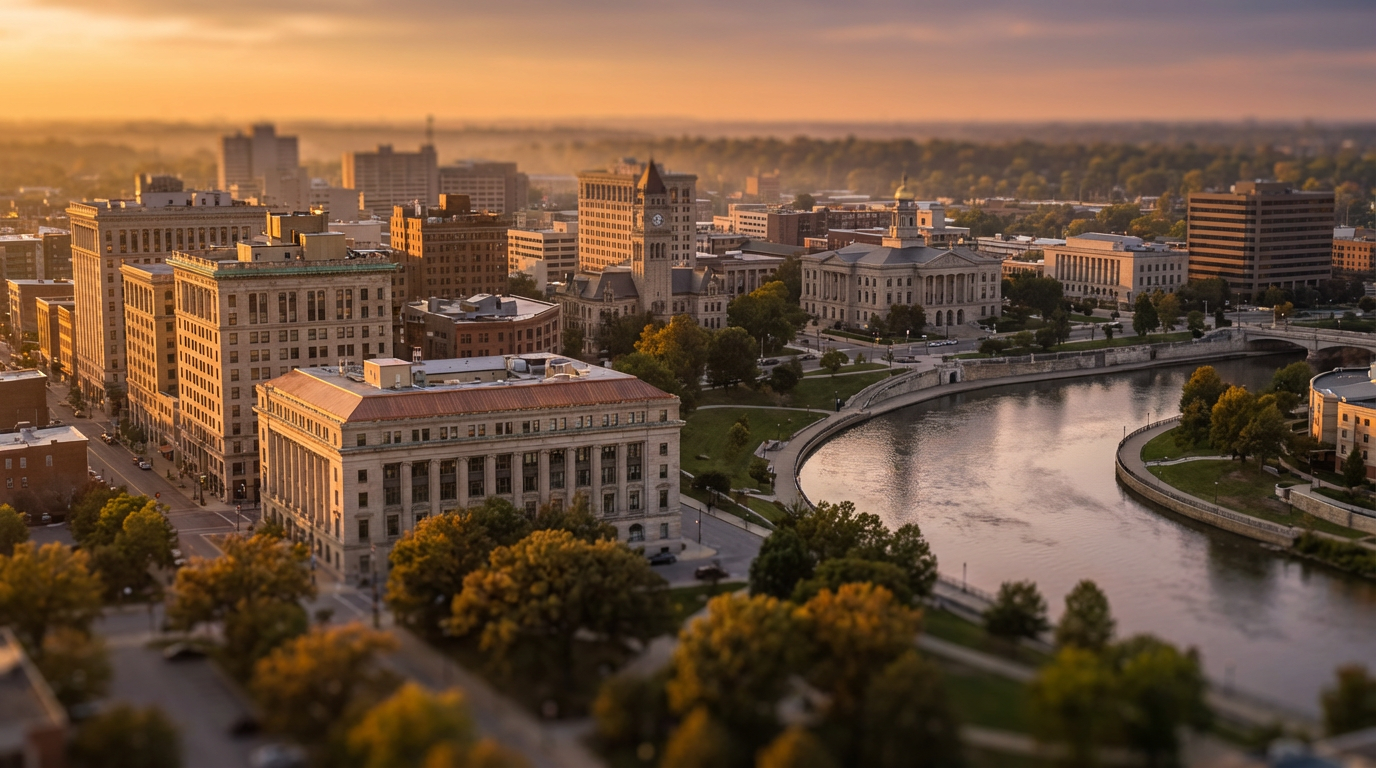
Des Moines, the capital city of Iowa, has been experiencing significant growth and transformation in recent years. With a focus on sustainable development and community engagement, the city is setting new standards in urban planning. This blog post will explore some of the latest trends and innovations shaping the neighborhoods of Des Moines.
Sustainable Urban Planning
Sustainability is at the forefront of Des Moines' neighborhood development. The city is implementing green building practices, focusing on energy efficiency and reducing environmental impact. More residential and commercial buildings are being constructed with eco-friendly materials, and the integration of renewable energy sources is becoming commonplace.
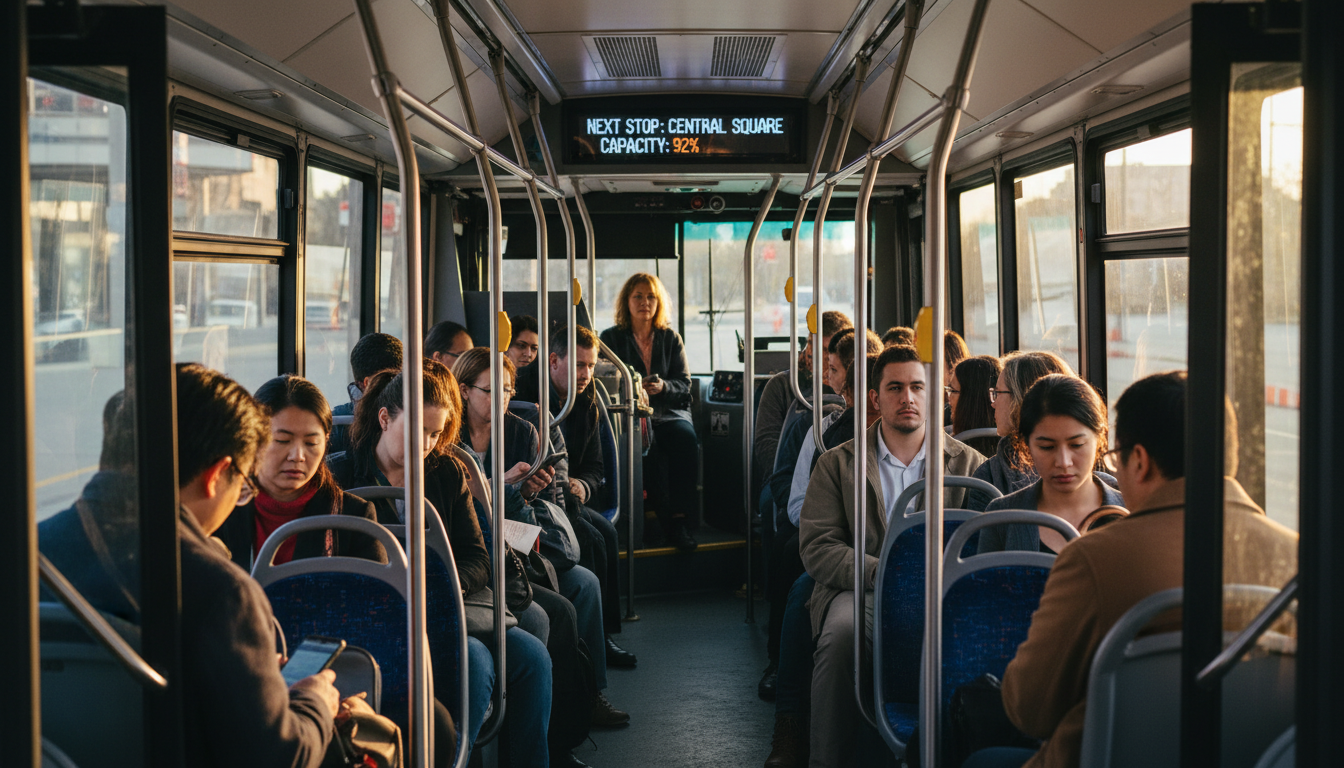
Moreover, Des Moines is enhancing its public transportation system to reduce reliance on cars. With expanded bus routes and bike-sharing programs, residents can enjoy more environmentally friendly commuting options. These efforts not only lower carbon emissions but also promote a healthier lifestyle.
Community-Centric Developments
Community engagement is a key component of neighborhood development in Des Moines. The city actively involves residents in the planning process, ensuring that their needs and ideas are reflected in new projects. This approach fosters a sense of ownership and pride among community members.
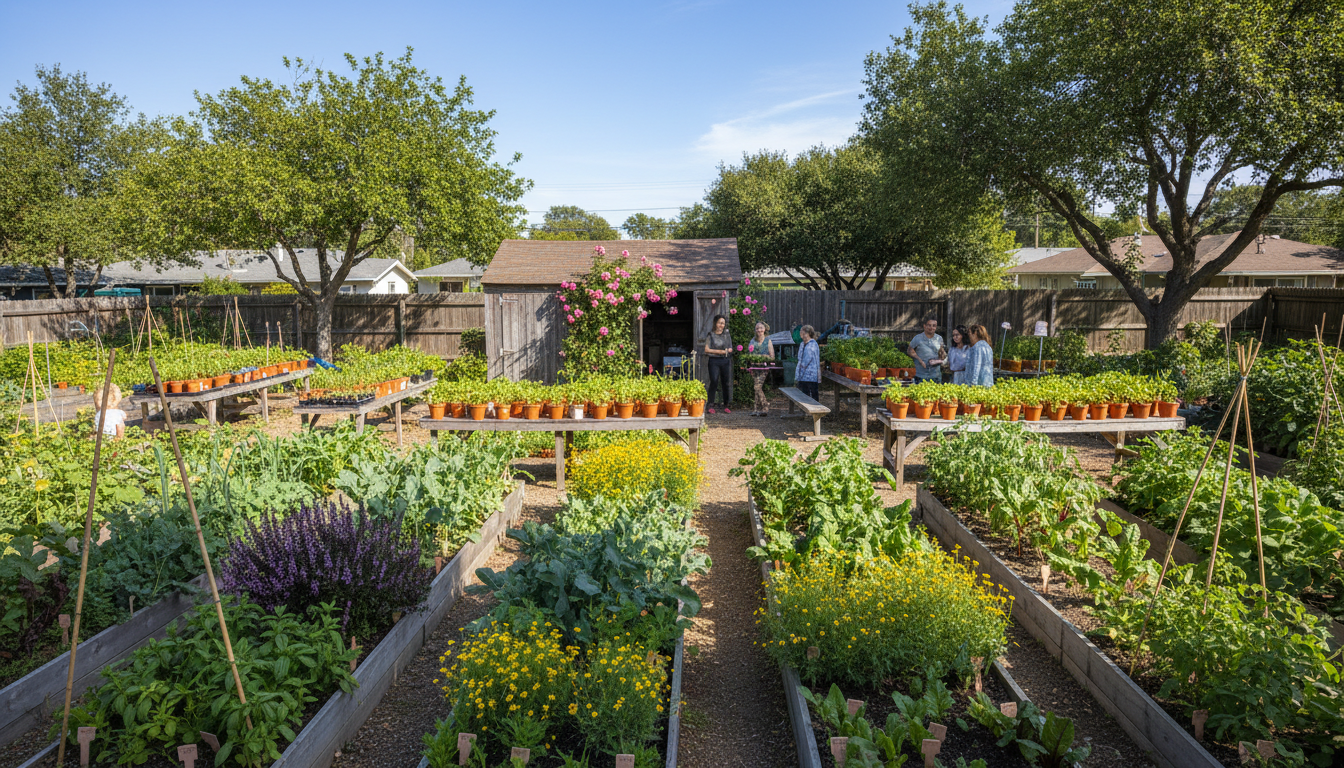
New developments often include shared spaces such as parks, community gardens, and recreational areas. These spaces are designed to encourage social interaction and build stronger community bonds. By prioritizing the needs of residents, Des Moines is creating more inclusive and vibrant neighborhoods.
Technological Innovations
Technology is playing a crucial role in the evolution of Des Moines neighborhoods. Smart city initiatives are being implemented to improve infrastructure and services. For instance, smart lighting and traffic management systems are enhancing safety and efficiency throughout the city.
Additionally, the integration of digital platforms allows residents to access city services more conveniently. From paying bills to reporting issues, technology is making it easier for citizens to engage with their local government.
Mixed-Use Developments
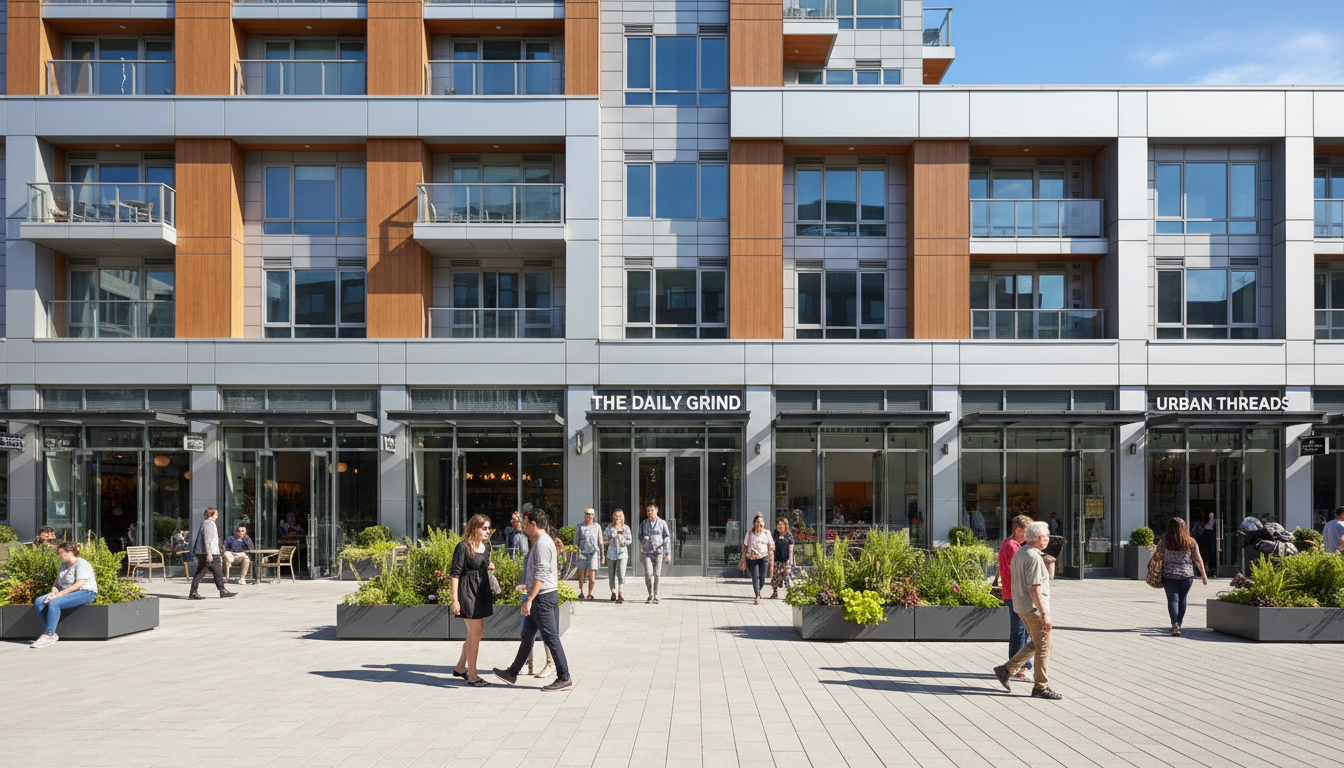
Mixed-use developments are becoming increasingly popular in Des Moines. These projects combine residential, commercial, and recreational spaces, creating vibrant communities where people can live, work, and play. This trend supports a more walkable city, reducing the need for long commutes and promoting local businesses.
Developers are focusing on creating aesthetically pleasing environments that blend seamlessly with the surrounding area. By offering a variety of amenities within walking distance, these neighborhoods are attracting a diverse population.
The Future of Des Moines Neighborhoods
As Des Moines continues to grow, the focus on innovative and sustainable development will remain a priority. The city's commitment to green practices, community involvement, and technological advancement sets a promising precedent for future growth.
By embracing these trends and innovations, Des Moines is positioning itself as a model for urban development, demonstrating how cities can evolve while maintaining a high quality of life for their residents.