
Comprehensive Guide to Des Moines Neighborhood Development
Introduction to Des Moines Neighborhood Development
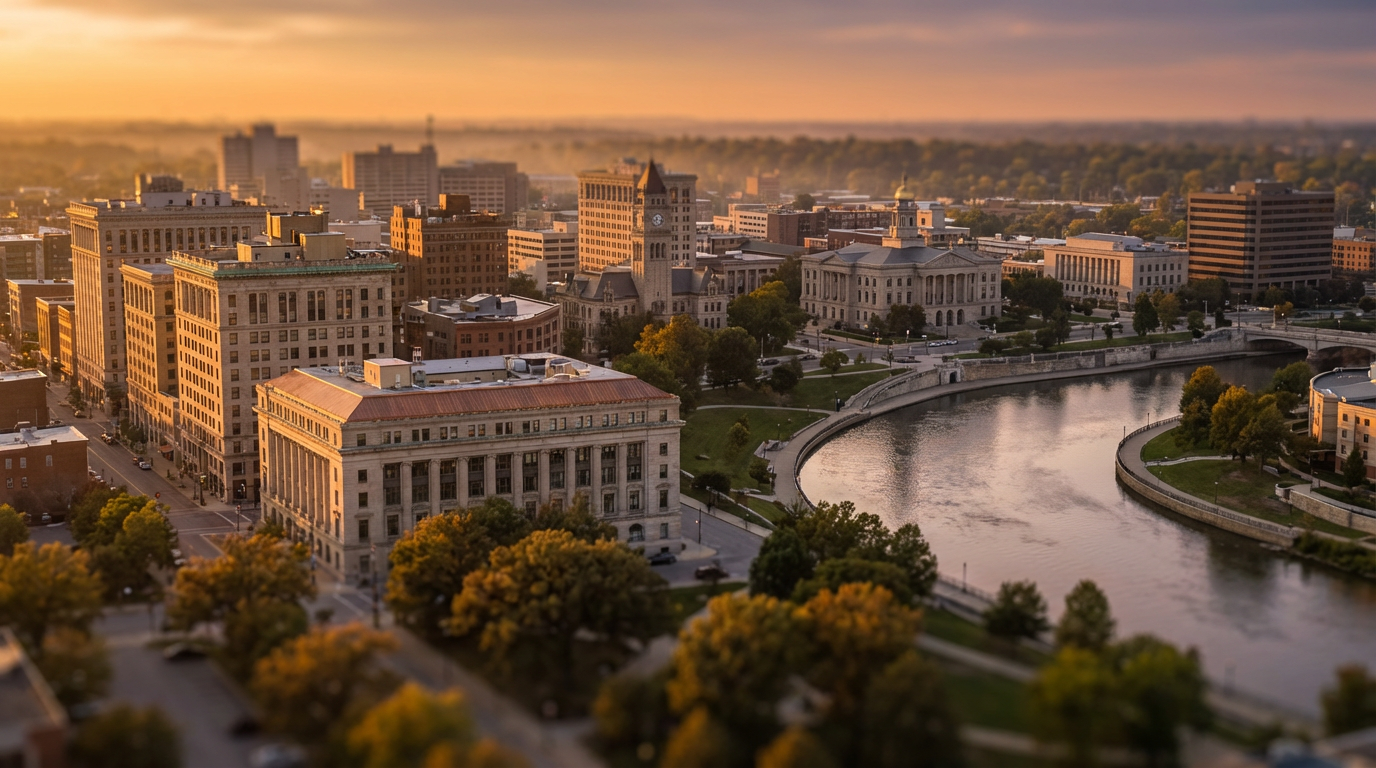
Des Moines, the capital city of Iowa, is experiencing a transformative phase in neighborhood development. With a blend of historical charm and modern innovation, the city's neighborhoods are evolving to accommodate growth while maintaining their unique identities. This comprehensive guide explores the key aspects of neighborhood development in Des Moines, offering insights into the ongoing projects and future prospects.
Historical Context and Modern Growth
The history of Des Moines' neighborhoods is rich and varied. Originally established as a fort town, it has grown into a bustling urban center. Many neighborhoods retain their historical architecture, providing a unique backdrop to modern developments. As the city expands, efforts are being made to blend the old with the new, ensuring that growth does not come at the expense of character.
The demand for housing and commercial spaces in Des Moines has led to innovative urban planning strategies. Developers are focusing on mixed-use projects that offer residential, retail, and office spaces, fostering vibrant communities that cater to diverse needs.
Key Neighborhoods Undergoing Development
East Village
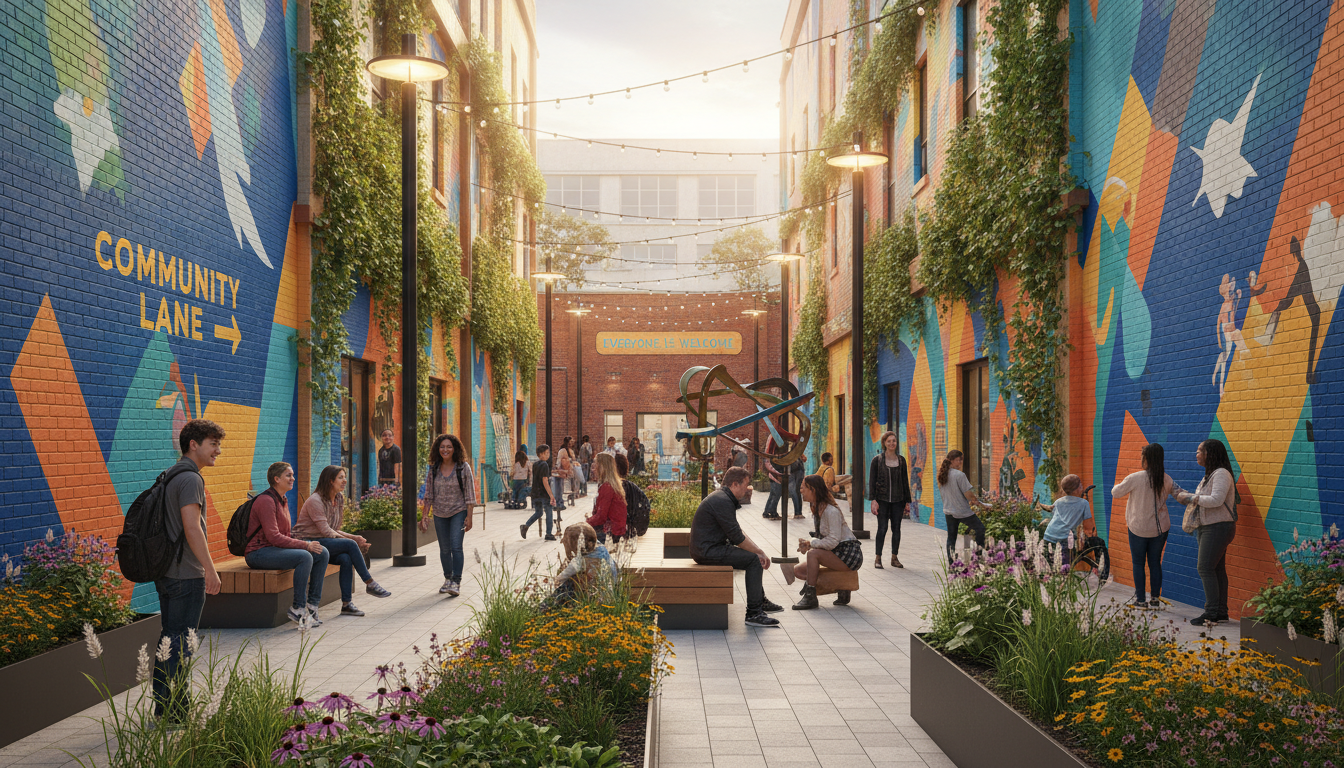
East Village is one of Des Moines' most dynamic neighborhoods. Known for its eclectic mix of retail, dining, and cultural attractions, it is currently undergoing significant development. New residential complexes are being built, attracting young professionals and families alike.
Western Gateway
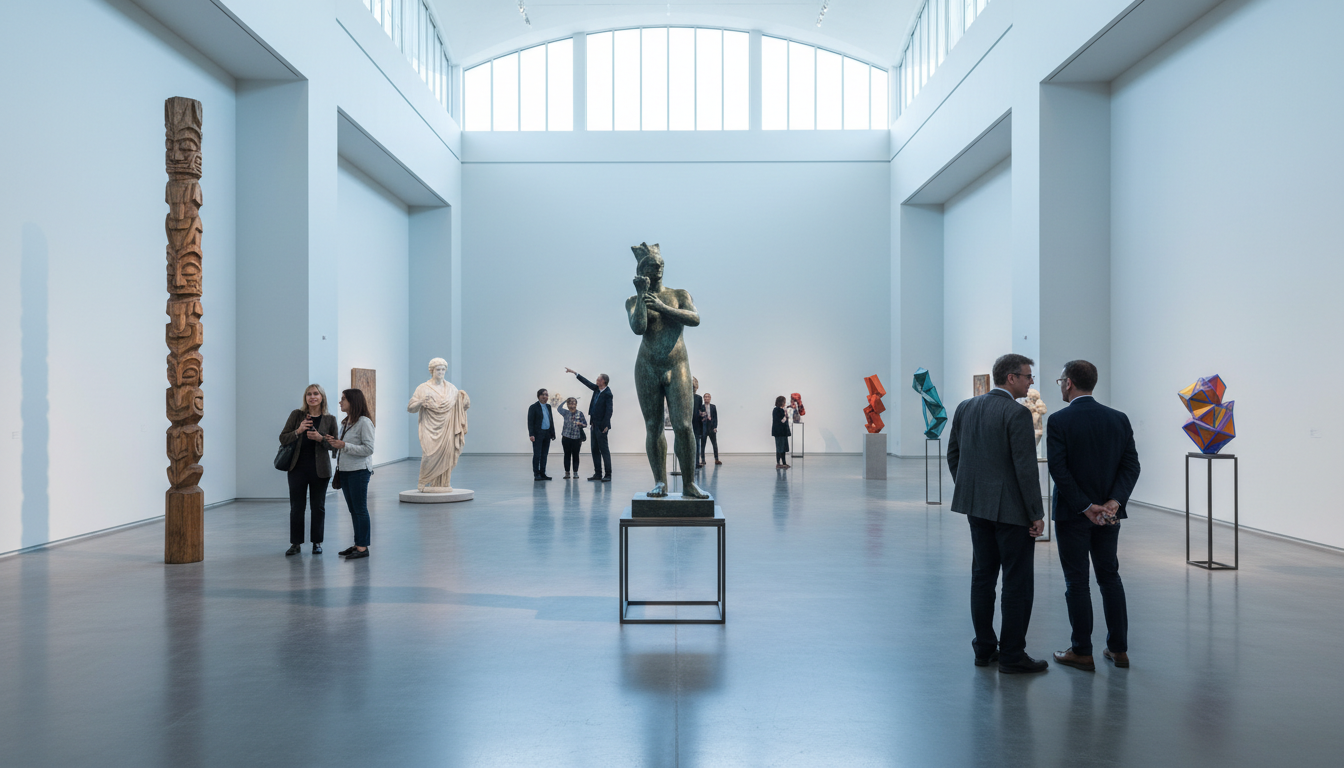
The Western Gateway area is another focal point of development. Home to the Pappajohn Sculpture Park, this neighborhood is seeing an influx of tech companies and creative industries. The development here emphasizes sustainability, with green building practices and environmentally friendly infrastructure.
Strategies for Sustainable Development
Des Moines is committed to sustainable development, incorporating green practices into its neighborhood planning. From solar-powered buildings to extensive bike lanes and public transportation options, the city is working towards a more environmentally conscious future.
Community involvement is also a key strategy. Residents are encouraged to participate in planning processes, ensuring that developments align with community needs and values. This collaborative approach helps build neighborhoods that are not only sustainable but also inclusive and vibrant.
Future Prospects and Challenges
Looking ahead, Des Moines faces both opportunities and challenges in neighborhood development. The city aims to balance growth with the preservation of its historical and cultural heritage. Affordable housing remains a priority, as developers work to provide options for all income levels.
Transportation and infrastructure improvements are also on the horizon. As Des Moines grows, ensuring efficient connectivity between neighborhoods will be crucial to support economic and social activities.
Conclusion
Des Moines' neighborhood development is a testament to the city's commitment to growth, sustainability, and community engagement. By embracing both historical preservation and modern innovation, Des Moines is poised to become a model for urban development in the Midwest. Whether you're a resident or a visitor, the evolving neighborhoods offer a glimpse into the city's vibrant future.