
Common Misconceptions About Neighborhood Clean-Up Days
Understanding Neighborhood Clean-Up Days
Neighborhood clean-up days are often misunderstood. Many people believe these events are solely about beautifying the area, but there’s much more to them. Let's explore some common misconceptions and uncover the truth behind these community initiatives.

Misconception 1: It's Just About Picking Up Trash
While collecting litter is a big part of neighborhood clean-up days, these events also focus on promoting environmental awareness and community bonding. Organizers often use these days to educate participants on recycling, waste reduction, and sustainable practices. This helps foster a more environmentally conscious community.
Additionally, these events offer an opportunity for residents to connect and collaborate. Working together towards a common goal strengthens community ties and encourages a sense of belonging.
Misconception 2: Only Adults Can Participate
Many people assume that clean-up days are only for adults, but they are actually family-friendly events. Children and teenagers are encouraged to join and learn about the importance of taking care of their environment. By involving young people, these events cultivate a sense of responsibility and environmental stewardship from an early age.

Misconception 3: It’s a One-Time Fix
Some believe that a single clean-up day will solve all environmental issues in a neighborhood. However, these events are just the beginning. They serve as a catalyst for ongoing efforts to keep the area clean and green. Regular participation in such activities ensures sustained improvement and lasting impact.
Community members often continue the momentum by organizing follow-up events, forming environmental clubs, or volunteering for local green initiatives.
Misconception 4: It's Only for Urban Areas
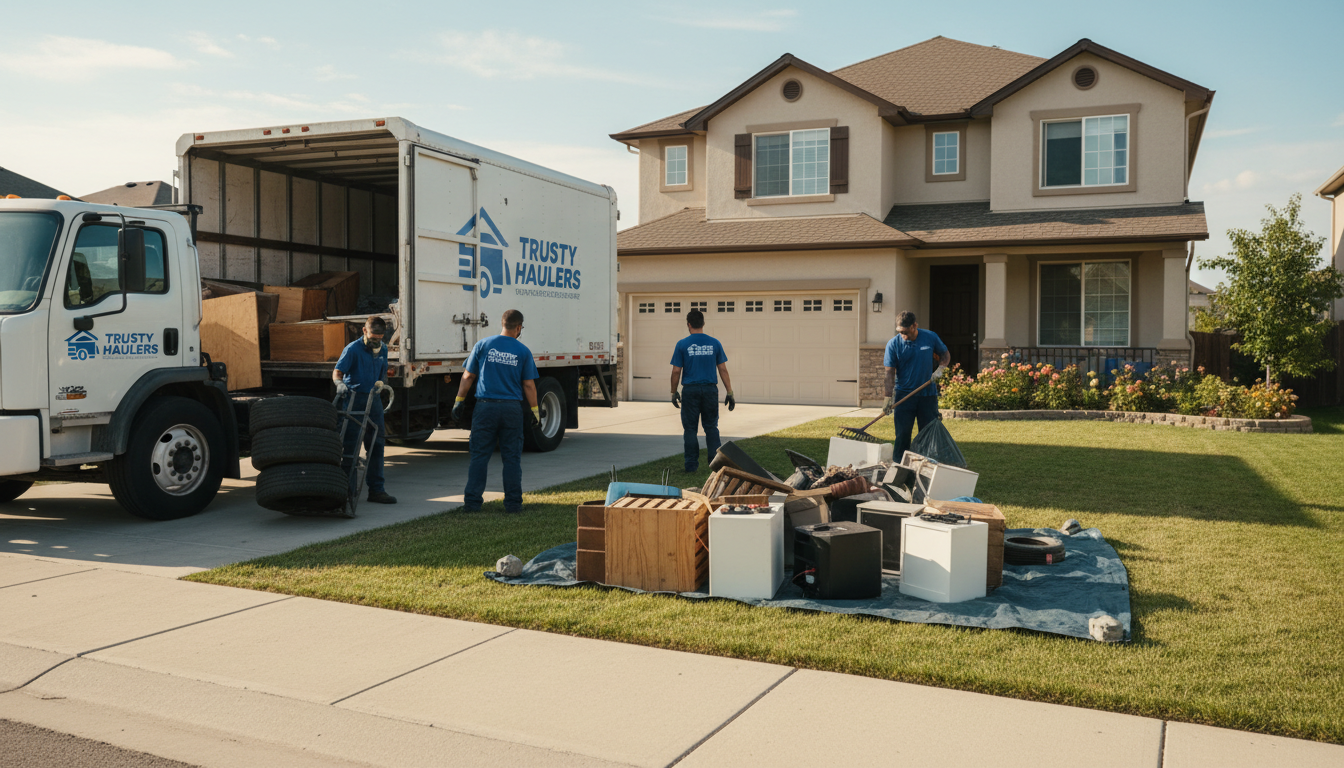
Neighborhood clean-up days are not limited to urban settings. Suburban and rural communities also benefit significantly from these activities. Regardless of location, every community faces unique environmental challenges that can be addressed through collective effort.
Misconception 5: It’s Inconvenient and Time-Consuming
Many people worry that participating in a clean-up day will disrupt their schedules. In reality, these events are designed to be flexible and accommodating. They often take place over a few hours on weekends, allowing participants to engage without major time commitments.
Moreover, the benefits gained from participating—such as a cleaner neighborhood and new friendships—far outweigh the time invested.
Getting Involved
If you're interested in participating in a neighborhood clean-up day, check with local community groups or municipal offices for upcoming events. By getting involved, you can contribute to a cleaner, healthier, and more connected community.
Remember, every bit of effort counts, and together, we can make a significant difference in our neighborhoods.