
Case Study: Successful Community Projects in Des Moines
Introduction
Des Moines, the vibrant capital of Iowa, is known for its thriving community spirit and innovative projects. In recent years, several community initiatives have gained attention for their positive impact on local residents. This case study explores some of the most successful community projects in Des Moines, showcasing their achievements and the benefits they bring to the community.
Urban Gardening Initiatives
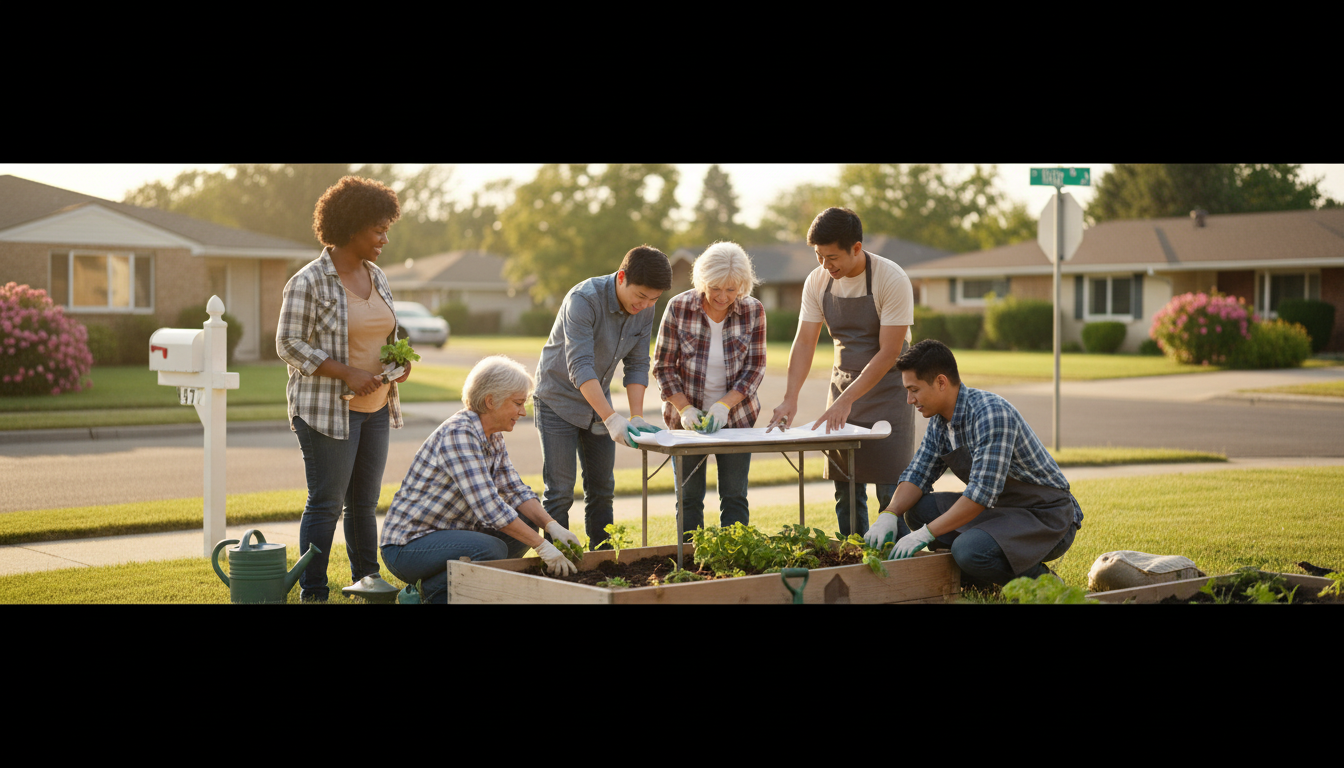
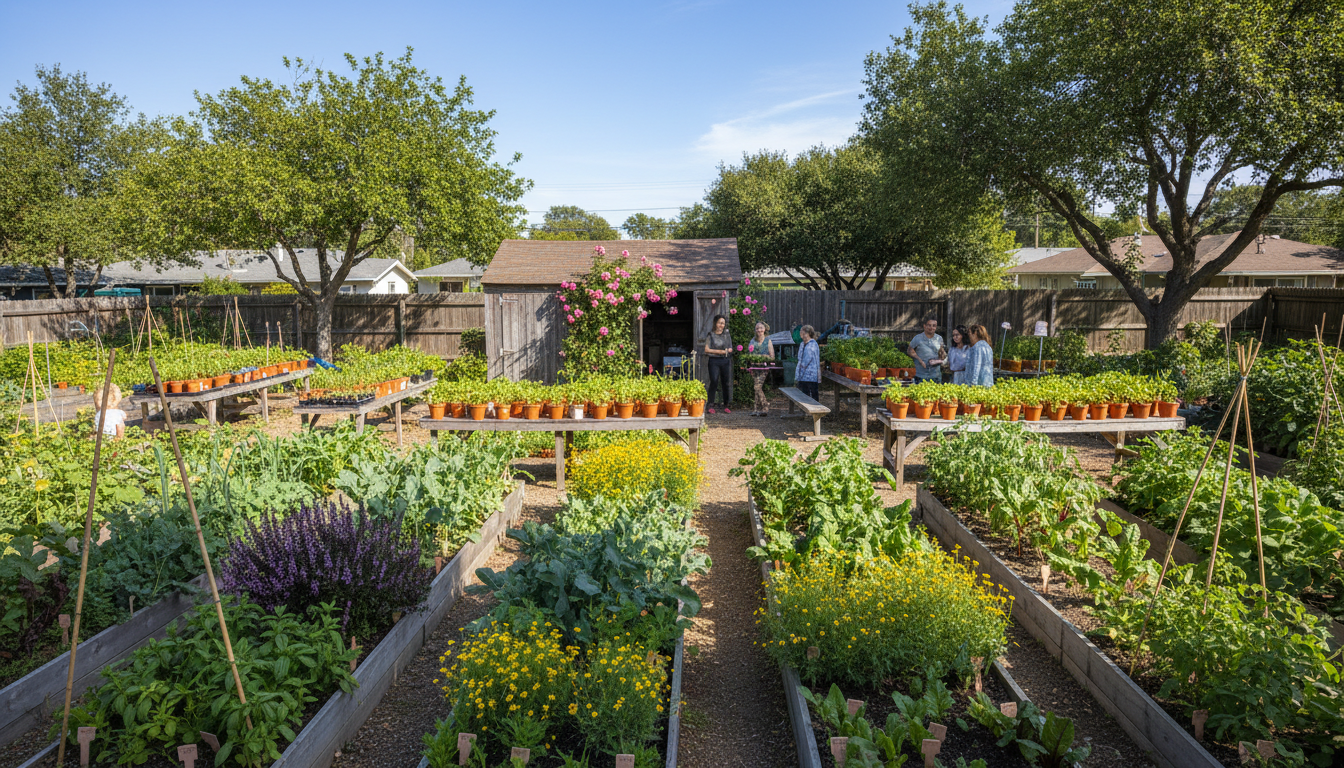
One of the standout projects in Des Moines is the urban gardening initiative. Spearheaded by local non-profits, these gardens have transformed vacant lots into flourishing green spaces. Residents are encouraged to participate by planting and maintaining their own plots, fostering a sense of ownership and responsibility.
These gardens not only provide fresh produce but also serve as educational platforms, teaching residents about sustainable practices and healthy eating. The success of these gardens is evident in the increased community engagement and improved access to fresh food.
Benefits of Urban Gardening
- Enhances local food security
- Promotes community bonding
- Encourages sustainable practices
Community Art Projects
Des Moines has also embraced art as a tool for community development. Projects such as public murals and community art installations have not only beautified the city but also provided a platform for local artists to showcase their work. These projects often involve collaboration between artists, city officials, and residents, creating a shared sense of pride and ownership.
The murals tell the stories of Des Moines' diverse communities, reflecting the city's rich cultural tapestry. These art projects have spurred economic growth by attracting tourists and boosting local businesses.
Impact on Local Economy
- Increased tourism
- Support for local artists
- Boost in local business revenues

Youth Engagement Programs
Engaging the youth is crucial for the long-term success of any community. Des Moines has implemented several programs aimed at empowering young people through education and skill development. These programs include workshops, mentorship opportunities, and after-school activities.
By focusing on the youth, Des Moines is not only investing in its future but also reducing crime rates and fostering a culture of learning and growth. The positive outcomes of these programs are evident in the increased educational attainment and personal development of participating youths.

Conclusion
The success of these community projects in Des Moines highlights the power of collaboration and innovation. By engaging residents and utilizing local resources, these initiatives have made significant strides in improving the quality of life in the city. Des Moines serves as a model for other cities looking to implement effective community projects.
As these projects continue to evolve and grow, they promise to bring even more benefits to the community, ensuring a brighter future for all residents of Des Moines.